Central Heating
Central Heating Systems Explained: Types, Components And Upgrades
Written & reviewed by our Gas Safe registered engineers · Last updated 22 July 2026
Knowing what type of system you have, and how its parts fit together, makes a real difference when deciding whether to repair, extend or replace it. These guides cover the system types found across North London homes, how a typical wet system works, and when it’s genuinely worth upgrading — if something’s actively broken, our Heating Problems guide covers troubleshooting instead.
Gas Safe 918817 North London specialists Free upgrade surveys
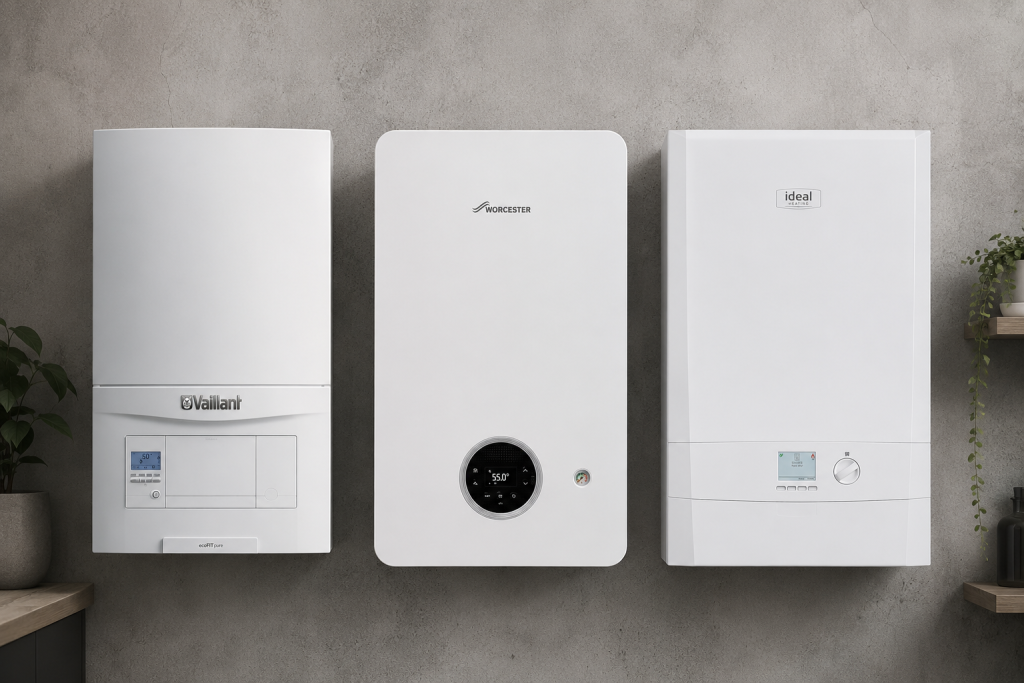
Quick answer: most modern London homes run a combi boiler system with no separate cylinder. Older or larger properties often still use a system boiler with a hot water cylinder, or occasionally an older conventional setup with a loft tank. Which one you have affects everything from running costs to how disruptive an upgrade would be.
System Types
Which type of system do you have?
Combi Boiler
Heats water on demand with no cylinder or loft tank. The most common setup in London flats and smaller homes.
System Boiler
Works with a hot water cylinder, better suited to larger homes with higher simultaneous hot water demand.
Regular (Conventional) Boiler
Older-style setup with both a hot water cylinder and a cold water tank, typically in a loft.
How It Fits Together
How a typical wet central heating system works
Whatever type of boiler you have, most UK homes run a wet central heating system — heat is carried around the property in water rather than air. The boiler heats water, a pump circulates it through pipework to each radiator, and thermostatic radiator valves (TRVs) let you control temperature room by room. An expansion vessel absorbs the natural expansion of that water as it heats, keeping system pressure stable rather than spiking every time the heating fires. A room thermostat and often a separate timer or smart control tell the boiler when to fire — understanding which component does what makes it far easier to have a useful conversation with an engineer.
Is It Time To Upgrade?
Signs your system is worth replacing rather than repairing
- You're calling an engineer out more than once a year for unrelated faults.
- The boiler is over 12–15 years old and parts are becoming harder to source.
- Your energy bills have crept up noticeably despite no change in usage habits.
- You're extending or renovating and the current system was never sized for the property's real demand.
- You still have a cylinder and tank system in a property that would suit a combi far better.
A real example from Muswell Hill
A family in Muswell Hill were calling us out roughly every eight weeks for the same ageing regular boiler — always a different minor fault. Once we totalled a year of callout costs against the price of a straightforward combi conversion, the maths made the decision for them: the new system paid for its extra cost within about two winters purely in avoided repairs, on top of freeing up the airing cupboard that used to hold the old cylinder.
What Upgrades Typically Cost
Typical system upgrade costs
See our Buying Guides for a fuller cost breakdown by boiler type. You’ll always get a written quote after a survey.
FAQs
Central heating systems — your questions answered
What's the difference between a combi boiler and a system boiler?
A combi heats water on demand with no storage, so there’s no cylinder taking up cupboard space, but it can struggle if two outlets run hot water at once. A system boiler heats and stores water in a cylinder, handling higher simultaneous demand better but taking up more space and needing the stored water to reheat once used.
Can I switch from a regular boiler to a combi in an older property?
In most cases yes, though it depends on your incoming mains water pressure and flow rate, which we’d check before recommending it. Some older properties with poor mains pressure are better suited to a system boiler with an unvented cylinder instead.
How long does a typical central heating system last before needing an upgrade?
A well-maintained boiler typically lasts 12–15 years, though the wider system (radiators, pipework) often lasts considerably longer if it’s been looked after and not left to sludge up.
Is it worth zoning my heating system if I don't have one already?
For larger properties, zoning (so upstairs and downstairs, or different areas, can be controlled independently) can noticeably improve comfort and reduce wasted heating in unused rooms. For a small flat it’s rarely worth the added complexity.
Does the type of central heating system affect running costs?
Yes to some extent — a combi avoids the standing heat loss of a stored cylinder, but a well-insulated cylinder with a system boiler isn’t far behind. Boiler efficiency and how well the system is controlled matter more than the basic type in most cases.
Can I add radiators to my existing system, or does it need upgrading first?
Usually a radiator or two can be added without an upgrade, but it’s worth checking the boiler has enough spare capacity first, particularly if you’re extending the property significantly.
What's involved in converting from electric storage heaters to gas central heating?
This is one of the bigger jobs we do — it means running gas supply if it isn’t already there, installing a boiler, and fitting a full network of pipework and radiators throughout. Worth a proper survey rather than a phone estimate given how much this varies by property.
How disruptive is a full central heating system replacement?
A boiler swap alone is usually a one-day job. A full system replacement including new radiators and pipework is more disruptive, typically several days, though we work room by room to keep at least some heating and hot water running where possible.
Do all central heating systems need a cylinder somewhere in the property?
No — combi systems don’t use a cylinder at all, which is one of their main appeals in smaller properties where storage space is limited.
Is a modern boiler on old pipework likely to cause problems?
It can, particularly if the old pipework is narrower than modern standards or carries years of debris that a new, more efficient boiler is more sensitive to. It’s not automatically a problem, but when installing a new boiler onto an older system, a powerflush beforehand is usually worth the modest extra cost to protect the new appliance.
How do I know if my system was ever properly sized for my property?
A telltale sign is if certain rooms have always struggled to reach a comfortable temperature even when everything works correctly, rather than only during a fault. A proper heat-loss calculation, which we can carry out during a survey, confirms whether the boiler and radiators were sized correctly or whether that’s been an underlying limitation since installation.
Related
Related central heating guides
The whole system, component by component.
Read guideCentral HeatingPowerflushing GuideWhen sludge is the real problem.
Read guideCentral HeatingCentral Heating Pump GuideDiagnosing a failing circulation pump.
Read guideHeatingHeating ProblemsTroubleshooting an active fault.
Read guidesHot WaterHot WaterNo, slow or weak hot water diagnosed.
Read guidesBuying GuidesBuying GuidesChoosing the right new system.
Read guidesConsidering an upgrade? See our boiler installation service. We install and upgrade systems across Finchley, Haringey and Barnet, plus the rest of our coverage area.
Thinking about upgrading your system?
We’ll survey your property and give you an honest recommendation — not just the biggest system available. Gas Safe registered, North London, upfront pricing.
Gas Safe Registered 918817 | North London specialists | Upfront pricing