Energy Saving
Cutting Heating Bills Without Cutting Comfort: What Actually Works
Written & reviewed by our Gas Safe registered engineers · Last updated 22 July 2026
There’s no shortage of generic energy-saving advice online. Some of it helps a little. But the change that makes the biggest measurable difference on a modern condensing boiler is one almost nobody mentions: the boiler’s flow temperature, usually left at the factory default forever. These guides cover what genuinely moves the needle — starting with the free changes and working up to the ones worth a bit of investment.
Gas Safe 918817 North London specialists Honest advice
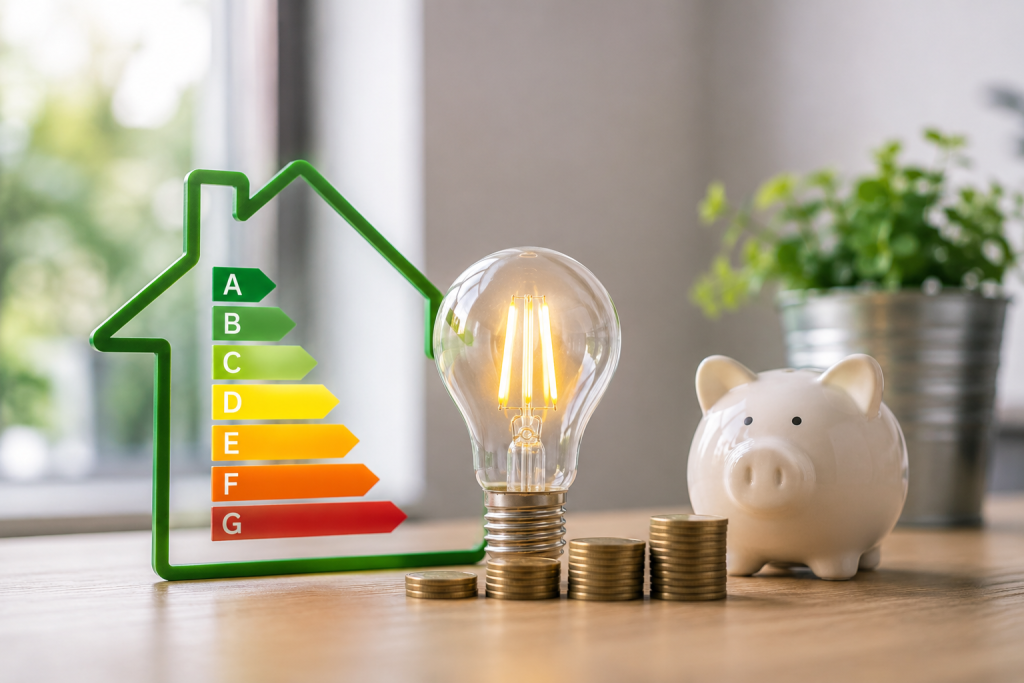
Quick answer: for most homes with a modern condensing boiler, the single biggest free change is lowering the boiler’s flow temperature. Done correctly, this alone can reduce gas use by roughly 5–15% with no loss of comfort once the house is up to temperature.
Quick Wins vs Bigger Investments
What's free, and what's worth investing in
Free or cheap
Lowering flow temperature, bleeding radiators, draught-proofing doors and windows, using TRVs properly room by room, and keeping up annual servicing so the boiler runs at its rated efficiency.
Bigger investments, with payback
Loft and cavity wall insulation, radiator reflector panels on external walls, replacing an old non-condensing boiler, and proper multi-zone smart controls for larger properties.
Engineer Advice
The single biggest lever: boiler flow temperature
Flow temperature is how hot the water is that leaves your boiler heading to the radiators. Installers very often leave this at the factory default, commonly around 80°C, because it’s the safe, no-complaints setting — the house heats up quickly and nobody calls back.
The problem is that a condensing boiler only actually condenses, and hits its genuinely high efficiency figures, when the water returning to it is cool enough. Running at 80°C flow makes that much harder. Turning it down to around 55–60°C lets the boiler condense properly far more of the time — that’s where the real efficiency gain comes from, not from cooler radiators but from the boiler working the way it was designed to.
The trade-off is that radiators take a little longer to feel hot, and on the coldest days you may nudge the flow temperature back up slightly. For most well-insulated homes, once the system is up to temperature you won’t notice a comfort difference. If your boiler supports weather compensation, that automates this based on outdoor temperature.
Common Mistakes
Where people waste money without realising
- Turning the thermostat up much higher to heat a room faster — it doesn't; the boiler puts out heat at the same rate, you've just set a higher target it'll overshoot towards.
- Never touching the boiler's flow temperature from the day it was installed.
- Blocking radiators with sofas, curtains or furniture, which traps heat against the wall instead of the room.
- Over-insulating a property without addressing ventilation, which can lead to damp and condensation problems.
A real example from East Finchley
A semi-detached house in East Finchley had never had its flow temperature touched since the boiler was fitted eight years earlier — still at the factory default of 80°C. We recalibrated it to 58°C and set up basic weather compensation during a routine service. The following winter’s gas bill came in around 12% lower for broadly the same weather and habits — radiators took a few minutes longer to feel warm, but the house held its temperature just as well once up to speed.
FAQs
Energy saving — your questions answered
Will lowering my boiler's flow temperature make my home take longer to heat up?
Slightly, yes — radiators will feel warm rather than hot to the touch and may take a little longer to bring a cold room up to temperature. Once the house is at temperature, most people don’t notice a comfort difference day to day.
Is weather compensation worth having alongside a lower flow temperature?
For most homes, yes — it automatically raises the flow temperature on colder days and lowers it on milder ones, so you get the efficiency benefit without manually adjusting anything through the seasons.
Do radiator reflector panels actually make a noticeable difference?
On radiators mounted against an external (uninsulated) wall, yes — they can meaningfully reduce heat lost through the wall behind. On internal walls the benefit is minimal since there’s no outside heat loss to prevent.
Should I turn my heating off completely when I'm out, or leave it on low?
For most modern, reasonably insulated homes, turning it off (or letting a smart thermostat’s geofencing do it automatically) and reheating when needed uses less energy overall than leaving it on low constantly.
Does servicing my boiler every year actually save money, or is it just about safety?
Both — servicing is primarily a safety check, but a boiler that’s been serviced and kept clean internally runs closer to its rated efficiency than one that’s been neglected, which does translate to lower running costs.
Is it worth insulating before or after upgrading the boiler?
Generally insulating first, since it reduces the property’s heat demand, which then lets you size a replacement boiler correctly rather than potentially oversizing it for a home that needed less heat than expected.
Can blocking radiators with furniture really affect efficiency that much?
It affects how effectively heat gets into the room rather than the boiler’s efficiency directly, but the practical result is similar — you end up running the heating longer or hotter to compensate for heat being trapped uselessly.
Does turning the thermostat up higher heat a room faster?
No — most boilers and radiators put out heat at broadly the same rate regardless of the target set. Setting it higher just means the room will eventually overshoot the temperature you actually wanted.
What's the most cost-effective single change for an older, less efficient boiler?
For boilers over 12–15 years old, replacement itself is usually the most cost-effective long-term change, since older non-condensing models can’t match the efficiency of a modern condensing boiler however well they’re tuned.
Is there a risk of turning my flow temperature down too far and causing damp?
Turning flow temperature down doesn’t cause damp or condensation on its own — those are driven by ventilation and moisture levels, not by how hot your radiators run. The one thing to watch is setting it so low that rooms genuinely can’t reach a comfortable temperature on the coldest days, in which case nudge it back up a few degrees rather than leaving the household underheated.
How do I change my boiler's flow temperature myself, or does it need an engineer?
On most modern boilers, flow temperature is adjustable through a dial or menu on the boiler itself or via a connected smart thermostat, and many homeowners can do this once they know where to look in the manual. That said, we’re happy to set it correctly during a service visit, particularly if you want weather compensation configured properly at the same time.
Related
Related energy saving guides
The full list of changes that work.
Read guideEnergy SavingBoiler Efficiency GuideWhat efficiency ratings really mean.
Read guideEnergy SavingLeave Heating On Low All Day?The myth, tested properly.
Read guideEnergy SavingInsulation TipsWhere insulation pays back fastest.
Read guideSmart ControlsSmart ControlsAutomating your savings.
Read guidesBuying GuidesBuying GuidesWhen an old boiler is the bottleneck.
Read guidesWant your flow temperature checked and optimised? Ask during your next annual service. We serve Finchley, Barnet and Haringey, plus the rest of our coverage area.
Want us to check your flow temperature?
We’ll optimise it properly during your next service, at no extra cost — and set up weather compensation if your boiler supports it. Gas Safe registered, North London, upfront pricing.
Gas Safe Registered 918817 | North London specialists | Upfront pricing